Following up yesterday's post on ranged martial arts appropriate to military type characters, I have a series on "Outlaw"tactics, which represent the sort of tactics that criminals, bandits or lawmen might wield, with a primary focus on blaster pistols, blaster rifles and plasma shotguns.
This post does not include the additional rules from yesterday's post. See that post if you need a reference to an unfamiliar perk.
Tuesday, September 20, 2016


Monday, September 19, 2016
New Styles: Military Tactics
As noted before, the purpose of designing martial arts is not just to create a style for someone to use in combat, but also to provide interesting tactics that unimportant NPCs can use: You just grab a few of the "signature moves" and slot them into the right NPC. This is especially true of military tactics, as characters are less likely to see military training with a blaster as "a martial art."
Nonetheless, I plan on including a "Martial Artist!" powerset, which will allow character to focus even more intently on their training, and at least two of the styles below (Elite Gunner Training and Sniper) both suit that sort of player. Style familiarity works differently for ranged combat styles, and this difference is defined in both Gun-Fu and Tactical shooting. I highly recommend both.
Note that despite the description above, this does post deals exclusively with ranged combat. I expect soldiers may well learn some armed and unarmed styles as well. Those I've saved for a later post.
Thursday, September 15, 2016
Alternate Force Swords
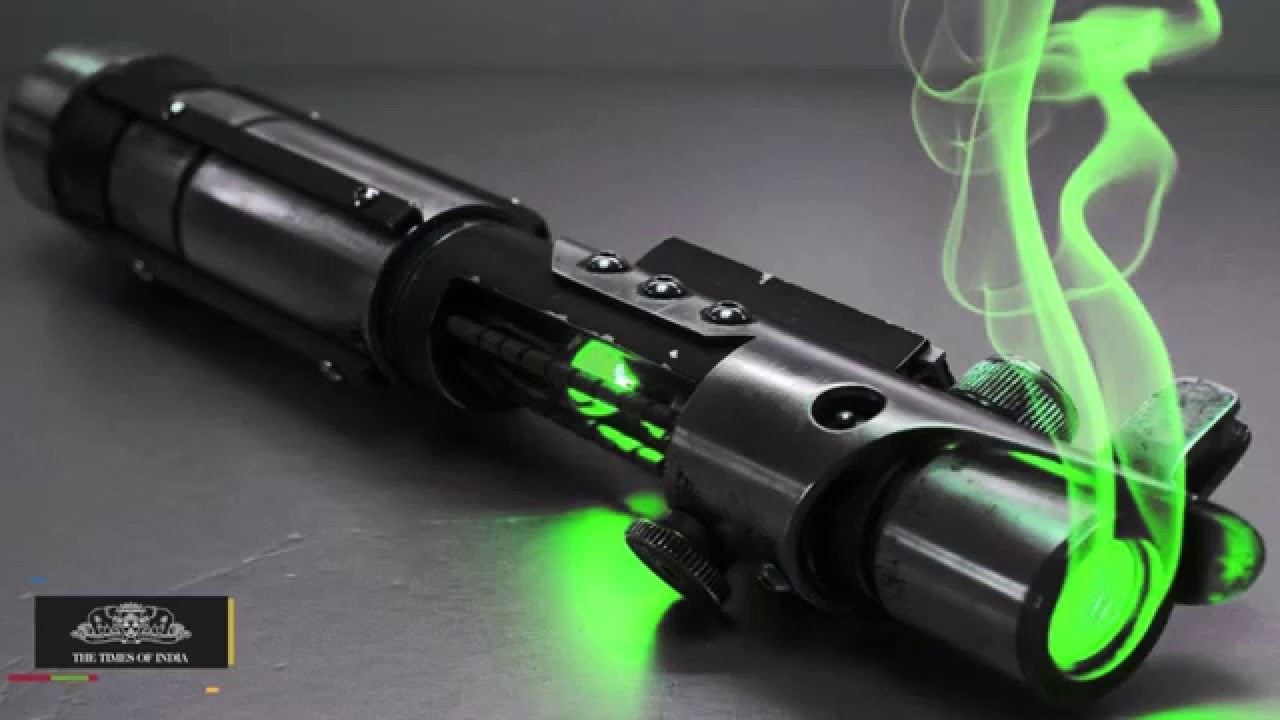
Star Wars includes a lot more than just generic lightsabers, and GURPS follows suit with a surprisingly rich variety of force swords, if you know where to look, and it also includes options for building our own variations.
Wednesday, September 14, 2016
New Styles: Force-Swordsmanship 2
The Swift Form 2 points
Alternate Names: The Way of the Duelist, The Pure TechniquesForce-Swordmanship includes dual weapon techniques as standard, but most lightsaber combat I've seen focuses on a single weapon, and this bears out in GURPS too. The defensive grip is superior to the single-handed grip for everything but offense, as it gives you better parries, better weapon-retention and superior beats. GURPS Martial Arts also introduces a new weapon, noted below: the Force Saber. It uses a different skill, and gains the benefits of a fencing weapon (superior disarm, superior parry), but is an exclusively single-handed weapon, which suits a dual-weapon style much more.
 |
| Count Dooku |
The Swift style is an aggressive style that focuses exclusively on defeating another opponent with a force sword. It turns defense into offense, and it attacks whenever it can, hoping to either wear one's opponent down or to force him to draw his defenses to the wrong point, at which point, it achieves victory either with a delicate disarm, or by ruthlessly killing its opponent. The Swift Form, like the Graceful Form, is a courtly technique. As a duelist style, it seeks to impress others in victory, and makes extensive use of Combat Art.
Skills: Force Saber
Techniques: Combat Art (Force Sword), Counter Attack (Force Sword), Disarm (Force Sword), Feint (Force Sword), Retain Weapon (Force Sword), Setup Attack (Force Sword), Targeted Attack (Force Sword/Vitals).
Cinematic Skills: Mental Strength, Power Blow, Precognitive Parry
Cinematic Techniques: Dual-Weapon Attack (Force Sword), Dual-Weapon Defense (Force Sword), Timed Defense (Force Sword)
Perks: No Nuisance Roll (Precognitive Defense), Off-Hand Weapon Training (Force Sword), Sure-Footed (Uneven), Sure-Footed (Slippery), Trademark Move (see below for ideas).
Optional Traits: Ambidexterity [5], Enhanced Parry (Force Sword) [5/level], Unfazeable [15]
Optional Skills: Armoury (Force Sword), Fast-Draw (Force Sword), Meditation, Savoir-Faire, Savoir-Faire (Dojo),
Signature Moves
Pointed Critique: The duelist deftly (and perhaps insultingly) tests his opponent's defenses. Make a defensive force sword art (-3) setup attack (-6). Roll Force Sword -9. If successful, opponent's next parry against you is at -2 and his dodge/block is at -1. Deal 7d-7(5) burn damage. You defend at +1 for the remainder of the turn. Garner a +1 reaction roll from the audience. Setup: Your opponent is defensive.The Knightly Cross: The duelist dramatically crosses his sabers to defend against an attack and them immediately attacks as he uncrosses them. After making a cross-parry (using both weapons, +1 to defense) make a Dual-Weapon (-4) Counter Attack (-5). Roll Force Sword-9 twice. Opponent defends at -3. If successful, each attack deals deal 7d(5) burn damage. Setup: You cross-parried your opponent attacks.
Ribbons of Light: The Duelist launches a series of swift attacks while keeping one saber back for defense. Make a Committed (+2) Rapid Strike (-12 or -6) against his opponent. Roll 3 Force-Sword attacks at -10 or -4. Each deals 7d(5) burn damage. You may not parry with the sword you attacked with, but you may parry with your off-hand sword at -2 (-4 if no off-hand weapon training). Setup: None.
Gentleman's Victory: With a beautiful twist of his wrist and flip of his blade, the duelist deftly disarms his opponent. Make a Combat Art (-3) Disarm (+0) against your opponent. If you successfully strike, roll a contest of DX- or ST-based Disarm vs your opponent's DX- or ST-based Retain Weapon (he gains +2 if holding his weapon in a defensive grip). If successful, your opponent is disarmed. Gain +1 reaction from onlookers, and defend normally for the remainder of the turn. Setup: Your opponent is sufficiently regal or stylish that you wish to honor them.
Dog's Defeat: Setting aside pretense, the duelist buries his force saber deep into his opponent, completely focused on defeating them. Make an All-Out (+4) deceptive (-4) force saber attack for the vitals (-3). Roll at Force Saber-3. Your opponent defends at -2. If you hit, deal 7d(5) burn, x2 for striking the vitals. You may not defend for the remainder of the turn. Setup: After Pointed Critique or a Feint against an opponent unworthy of your time.
Rim Force-Swordsmanship 5 points
Alternate Names: The Way of the Rim Knight, The Bastard Techniques, the Cutting Dance. |
| Ahsoka Tano |
This mixture of techniques suggests bastardization, a rise of practicality over elegance. Its fighters use any means they can to win, but focus heavily on tricks, fighting where their opponent is least comfortable, and moving about until they find the ideal point from which to attack. Its lack of refinement will surely punish it compared to the more elegant styles, and if it cannot control positioning, its weakness in defense might seriously hurt it. Its bastardization of the Destructive Form, the Graceful Form and the Swift Form means that characters with this style can readily learn the techniques and approaches of those other styles and fold those techniques into its own.
Skills: Acrobatics, Force Saber, Karate, Jumping
Techniques: Acrobatic Stand, Counter Attack (Karate), Feint (Force Sword), Hammer Fist, Kick, Low Fighting (Force Sword or Karate), Reverse Grip (Force Saber), Targeted Attack (Hammer Fist/Face), Targeted Attack (Kick/Groin)
Cinematic Skills: Flying Leap, Kiai, Light Walk, Precognitive Parry
Cinematic Techniques: Dual-Weapon Attack (Force Sword), Dual-Weapon Defense (Force Sword), Springing Attack, Timed Defense (Force Sword)
Perks: Dirty Fighting, Graceful Glider, Light Walker, Off-Hand Weapon Training (Force Sword), Style Adaption (the Destructive Form, the Graceful Form, the Swift Form), Sure-Footed (Any), Trademark Move (see below for ideas).
Optional Traits: Ambidexterity [5], Basic Move [5/level], Enhanced Dodge [15], Perfect Balance [15]
Optional Skills: Armoury (Force Sword), Fast-Draw (Force Sword), Savoir-Faire (Dojo), Stealth
Signature Moves
Rim Tagging: After deftly blocking an attack, the Rim Knight steps into close combat and pummels his opponent. Step and make a Counter Attack (-5) Pummel (-1) against your opponents face (-5). Roll Karate-11. Opponent defends at -2 plus any close combat penalties. Deal thr(+karate bonuses) damage and any shock penalties force a Stun/Knockdown check. Defend normally. Setup: You defended against an attack while one yard away from your opponent or you made an Acrobatic Slip defense to get close to your opponent..The Bastard's Dance: The Rim Knight suddenly shifts stance and steps body-to-body with his opponent while spinning his saber's into reverse strike position and makes two quick slashes. Instantly shift to Reverse Grip (Force Sword -6), Step into Close Combat and make a Deceptive (-2) Dual Weapon Attack (-4/-8) against your opponent. Roll Force-Sword -6 and -10. Your opponent defends at -3 plus any additional close combat penalties. Deal 7d-7(5) burn damage to the torso with each attack. Defend at -2 with Force Sword, or -1 with Karate. Setup: Your force sabers are in a normal grip and you are one hex away from your opponent who uses a reach 1 or longer weapon or you used an Acrobatic Slip against your opponent.
Fell Assault: The Rim Knight forces his opponent's guard down by beating with one force sword, and then instantly attacks with the other. After you have parried an attack, make a Dual Weapon Attack (Force Sword) (-4 then -8), first to Beat (+0). Roll ST-based Force Sword(-4) in a quick contest with the better of your opponent's ST- or DX-based Force Sword. Apply the margin of success as a penalty to their attack and parry for the next full turn, or unready their weapon if you succeed by 5 or more. Make a Force Sword attack(-0). Deal 7d(5) burn damage. You may defend normally. Setup: You parried an attack last turn or your opponent parried you last turn.
Fallen Knight: The Rim Knight, having found a secretive perch above his target, activates his force sabers and then drops on his opponent from above, attacking with just as his blades finish materializing. Roll a quick contest of Stealth vs your opponent's Observation, then drop. Make a Dual Weapon Attack (Force Sword) (-4 and -8) From Above (-2). Roll Force Sword -6 and -10. Your opponent defends at -2 (if he succeeded at the contest) and cannot defend if he didn't. Make a Breakfall roll to reduce falling damage and end in a crouch. You may defend normally (-2 for being in a crouch). Setup: You are above your opponent and your force sabers haven't been activated.
Fell Frenzy: The Rim Knight rises from a crouch to launch a furious attack on all of her opponents. Make a Deceptive (-2) All-Out (Double) Dual Weapon Attack (-4 and -8) Springing Attack (-2). Roll 3 attacks, the first Force Sword-4, the second Force Sword -4 and the third Force Sword -8.. If the first attack hits, it deals 7d+7(5) burn damage. If the attack misses, defend at -2 for the remaining of the turn. Your opponent defends at -1 against all three attacks. You may not defend. Setup: You crouched on the previous turn.
The Bastard's Retreat: The Rim Knight, outmatched, retreats from an attack with a flip, and continues to flip and tumble away from his opponent until he ends some distance from his opponent. Make an Acrobatic Movement (Tumble) backwards (this costs 2 move per yard). End movement in a Crouch. Attempts to hit you with ranged combat are -4 and you gain +2 on your first defense (and you may continue to retreat). Setup: You acrobatically dodged and retreated last turn.
The Defensive Form 5 points
Alternate Names: The Way of the Guardian, the Three Knightly Virtues |
| Dun Beltain |
The result is a slow, patient and defensive form. The most comparable lightsaber form would be Form III, Soresu, which Obi-Wan used in Episode IV, that is, Obi-Wan was so slow and unspectacular because he was using a slow and modest style, not because he was, say, being played by an old gentleman. In a sense, it's not very different from the Destructive Form, in that both rely on a certain level of physicality and both focus on destroying the opponent's weapons.
The style description states that stylists focus on evaluates, waits, attacking opponent's weapons, beating with their shields, attacking limbs or weapons, and using their shields to Push. I've turned these into the signature moves below. Allow Force Sword-And-Buckler Combatants to learn trademark moves!
Signature Moves
Heroic Guardian Assault: Make a Move and Attack to Slam with your Force Shield. This requires a Shield (Force) roll at +0. Deal slam-damage +3, and your shield absorbs all damage from the attack. You may not block with your shield or retreat for the remainder of the turn.Watchful Guardian Stance: Evaluate. This grants a +3 to your next attack and allows you to negate up to -3 in defense penalties from Feints or Deceptive Attacks. You may roll Tactics or Expert Skill (Hoplology) to gain some insight on your opponent's combat approach. If taken as a trademark move, improve the Tactics or Expert Skill (Hoplology) roll. Setup: Your opponent is defensive or used a tricky move last turn.
Defiant Guardian Stance: After Blocking a Slam or a Move and Attack (including Flying Attacks or Acrobatic attacks), make a Push attack with your Shield. Roll Swing+3 damage, inflicting no wound, and doubling the knockback effect. This move requires the Special Setup Perk (Push with Shield) and the Push skill. Setup: You Blocked a Slam or a Move and Attack.
Blade-Deflecting Stance: Make a rapid strike (-6 or -3) Beat opponent's force sword (make a contest of ST-based Shield (Force) vs the better of your opponent's ST- or DX-based combat skill), and then an rapid strike (-6 or -3) attack against your opponent's weapon-arm (-2). Success inflicts 8d(5) cutting damage on the arm. Setup: You blocked a melee attack with your shield.
Bristling Guardian Counter-Charge: Wait, with the stipulation that if your opponent attacks, you'll attack at the same time. If your opponent attacks, make a Stop Hit: Roll against Force Sword to hit. If you miss and your opponent hits, or you hit and your opponent hits at a larger margin, you block at -1 and dodge at -1 (with +3 from the DB of your shield). If you hit and your opponent hits with a smaller margin or misses, he defends at -1 (-3 if he wants to parry). Deal 8d(5) burn damage to the torso.
Tuesday, September 13, 2016
New Styles: Force-Swordsmanship
The Destructive Form (3 points)
Alternate Names: The Way of the Reaper, The Seven Killing Strokes |
| Darth Vader at Bespin |
The Destructive Form focuses on destroying one's ability to fight. Against opponents armed with weapons other than force swords, the stylist focuses on destroying their weapons first. Against force-sword opponents, the same tactic results in beats that batter aside their opponent's weapon and opens them up to an attack. Against all opponents, the Destructive Form is patient. It seems to demolish defenses first, through a combination of eliminating weapons, pushing aside defenses, injuries to the arms or legs, shoves and stuns, and then goes in for the kill with a simple and direct attack.
The Destructive Form places a great deal of emphasis on personal strength over mobility or internal, emotional balance. Practitioners learn strikes (and sometimes kicks) to supplement their force sword attacks (and often have a reputation for being dirty fighters). Beats and shoves also place emphasis on strength. In addition to precognitive parries, practitioners of the destructive form perform feats of great strength and utter terrifying shouts. Some stylists expand their techniques with kicks or by throwing their force sword at more distant foes. The Destructive Form is preferred by psychokinetics, who can augment their own natural strength with their telekinesis, and they can quickly pull their thrown force sword back to them. Nonetheless, the style remains vulnerable to psionic powers and being outmaneuvered.
Skills: Force Sword, Brawling
Techniques: Beat, Elbow Strike, Force-Sword Shove, Hammer Fist, Targeted Attack (Force Sword/Arm), Targeted Attack (Force Sword/Leg), Targeted Attack (Force Sword/Weapon), Targeted Attack (Force Sword Pummel/Face), Targeted Attack (Karate Elbow Strike/Vitals)
Cinematic Skills: Immovable Stance, Kiai, Power Blow, Precognitive Parry
Cinematic Techniques: Dual-Weapon Defense (Force Sword), Timed Defense (Force Sword)
Perks: Dirty Fighting, Finishing Move (Force Sword), Grip Mastery (Force Sword), Special Setup (Power Blow works with Force Sword), Sure-Footed (Uneven), Sure-Footed (Slippery), Trademark Move (see below for ideas).
Optional Traits: Striking ST +1 to +2 [5 or 10], High Pain Threshold [10]
Optional Skills: Armoury (Force Sword), Fast-Draw (Force Sword), Savoir-Faire (Dojo), Thrown Weapon (Force Sword)
Optional Techniques: Kicking
New Skills and Techniques
Thrown Weapon (Force Sword) deal 8d(5) damage, with an Acc of 0, a 1/2D of 0.5xST and a max range of ST. If a character has TK-Tether for his sword he may return it to his hand from any distance after a throw with a Ready maneuver or a Fast-Draw roll of -4. If he has sufficient TK-Grab to lift his force sword, he may also return the weapon to his hand with a Ready, or a TK-Grab skill roll at -4.Force Sword Shove: Hard. Defaults to Force Sword -2. After parrying or being parried by another force sword, instead of doing a beat, the character may shove the character. This works exactly like a beat, except its effects target the character's body. That is, the character is forcing the character off-balance.
Signature Moves
The Patience-Killing Stroke: The Destructive Form pushes its opponent to parry or to attack, or risk losing their ability to dodge. In Defensive Grip (-2), make a deceptive (-2, though typically reduced to 12) defensive attack to the leg (-2). Roll Force Sword (-6) to hit. Deal 8d-8(5) burn damage to the leg. The stylist defends at +1 for the remainder of the turn, with an additional +1 against forward attacks. Setup: None, though typically if one’s opponent is defensive.
The Balance-Killing Stroke: The Destructive Form turns the tables on an aggressive opponent through strength. In defensive grip, make a Force Sword Shove (-2, with +2 from the two-handed grip). Roll ST-based Force-Sword+0 in a quick contest with your opponent’s ST-based Force Sword. If successful, apply the margin of victory as a penalty to opponent’s dodge and kicking skill. If success by 5 or more, inflict one yard of knockback. Setup: After making a successful parry.
The Spirit-Killing Stroke: The Destructive Form batters down its opponents defenses and then destroys his opponent’s ability to fight. In Defensive Grip (-2), Make a rapid-strike Beat (-6, or -3 with Weapon Master, +2 from two-handed grip). Roll ST-based force-sword skill (-4 or -1 with weapon master) with your opponent’s ST- or DX-based force-sword skill. Success applies margin of victory as a penalty to attack and defense, while success by 5 or more unreadies the weapon. Then make a second (-6 or -3 with Weapon Master) attack against the arm (-2) of the opponent. Roll Force-Sword (-10 or -7 with weapon master). Deal 8d(5) burn damage to the arm. Setup: Your opponent successfully parries your attack.
The Reaping Stroke: The Destructive Form has destroyed its opponents defenses, and then finishes off its opponent. Take a Step (while still keeping your opponent in one of your forward hexes) and use Grip Mastery to shift from Defensive Grip to Regular Grip, and then make an All-Out Attack to the Torso. As a special effect, this attack may be described as attacking the neck (this is cosmetic, so apply no hit location penalties, nor any hit location benefits). Roll Force Sword (+0). Deal 8d+8(5) damage. This is a Finishing Move. Setup: Opponent is stunned.
The Graceful Form
 |
| Obi-Wan vs Darth Maul |
The Graceful Form focuses on mobility and theatricality to defeat its foes. The characters remain in near constant motion, and seek to gain an advantage on their opponent by moving to points where their opponent cannot defend well. It folds its antics into its techniques, so their opponents are never sure if they actually intend to attack or not. When they finish off their opponent, they generally do so as stylishly as possible and, if that is not possible, they'll pause after victory to demonstrate an artistic flourish. This makes the style a smash hit among spectators, making this a preferred technique for gladiators, duelists, or easily-impressed young men.
The style focuses on high speed, agility and dexterity. It also relies on its opponent's inferiority. A master of the Graceful form will tear apart a novice of another form with stylish ease, but he'll certainly lose against someone of greater skill than his own. This does make the Graceful form an excellent means of disposing of mooks, however.
Skills: Acrobatics, Force Sword, Jumping
Techniques: Acrobatic Stand, Combat Art (Force Sword), Evasion, Feint (Acrobatics or Force Sword), Spinning Attack (Force Sword)
Cinematic Skills: Flying Leap, Kiai, Power Blow, Precognitive Parry
Cinematic Techniques: Evasion Attack, Dual-Weapon Defense (Force Sword), Flying Strike, Timed Defense (Force Sword), Whirlwind Attack (Force Sword)
Perks: Acrobatic Feints, Flourish, Graceful Glider, Grip Mastery (Force Sword), Special Setup (Power Blow works with Force Sword), Sure Footed (Uneven), Sure-Footed (Slippery),
Optional Skills: Armoury (Force Sword), Dancing, Fast-Draw (Force Sword), Intimidation, Savoir-Faire (Dojo)
Signature Moves
The Trickster's Step (“Transcend Lesser Troubles”): The stylist runs at his opponent, and then suddenly flips over the top of her, and attacks her from behind. After running full move, make an Flying Leap roll (-0, or no roll with Graceful Glider) to clear opponent's head. Then make an Acrobatic Attack (-1) to Spin to face your opponent and then make a Force Sword attack (-3) against the torso. Your first defense is at +2, but you may not retreat or parry with the weapon you attacked with. Setup: Initial attack.
The Counter Step (“Accept Adversity With Grace”): The Stylist parries an attack and uses that momentum to perform a pirouette, and uses that energy to create a new attack. When attacked, make an Acrobatics roll to spin around the attack and then defend against the attack (+2 from acrobatic parry) while making a side-slip (+2) with a riposte penalty (-4). Roll parry+0. On your turn, make a Spinning attack (-2) against your foe's torso. Apply margin of success+4 as a penalty to your opponent's defense. Setup: You are attacked.
The Playful Step (“Walk Among the Stars”): The Stylist spins or tumbles around his opponent similar to Accept Adversity with Grace, but instead of attacking, the display turns into pure acrobatics. Roll Acrobatics as a Defensive Attack (-2) replaced with a (normal) Feint. Defend at +1 for the remainder of the turn, and apply a +2 to your next defense. Setup: You have used the Counter Step or the Trickster's step previously in the fight.
The Final Step (“Dispense Justice Generously”): In the culmination of the Graceful Form, the stylist weaves a perfect four point kata that strikes all foes around him. Make a Whirlwind Attack(-5) using Force Sword Art (-3) for a total of -8. Attack each opponent that is one yard away in a clockwise order. If the character fails to miss (he may be parried), gain a +1 reaction modifier for onlookers. You may not defend. Setup: You have at least three opponents one yard away from you.
The Triumph (“Be Artful in All Things”): After defeating a foe, the stylist spins his force sword artfully. Make a Force Sword Art roll+4 (Force Sword+1) . This can either count as an intimidation roll or success adds a +1 to reaction rolls. Setup: You have defeated a foe or knocked a foe down, and you must have the Flourish perk.
The Serene Form 5 points
Alternate Names: Way of the Void, the Art of Stillness |
| Obi-Wan in Mos Eisley |
I envision the Serene Form as a largely motionless technique. Its practitioners do not move, but allow others to come to them, and knows what to do with an opponent no matter what range he's at: Against blasters, he can parry and deflect them back. At near range, he can parry and counter attack. Against close-combatants, he can use Judo techniques, or even fight with his force-sword in very near quarters. The ability to fight anywhere further translates to fight anywhen. The stylist should be able to wait patiently and defeat his opponents simply by lasting longer than they do, but if their opponent is quick, their mastery of precognitive defense allows them to rapidly draw their force sword and defend from any circumstance, in any situation.
The Serene form is an intellectual technique. It benefits from high Will and high IQ, as many of its skills, cinematic skills and optional skills make use of IQ. The practitioners of this style are more likely to be ESPers than to follow any other psionic tradition.
Skills: Fast-Draw (Force Sword), Force Sword, Judo, Meditation
Techniques: Back Strike (Force Sword), Close Combat (Force Sword), Counter Attack (Force Sword), Breakfall (Judo), Low Combat, Reverse Grip (Force Sword), Targeted Attack (Force Sword/Arm), Targeted Attack (Force Sword/Leg), Trip (Judo).
Cinematic Skills: Blind Fighting, Immovable Stance, Mental Strength, Power Blow, Precognitive Parry
Cinematic Techniques: Dual-Weapon Defense (Force Sword), Precognitive Deflection, Precognitive Fast-Draw (Precognitive Parry), Springing Attack (Force Sword), Timed Defense (Force Sword),
Perks: Follow Through (Force Sword), Grip Mastery (Force Sword), No Nuisance Rolls (Precognitive Parry), Special Setup (Power Blow works with Force Sword), Sure-Footed (Uneven), Sure-Footed (Slippery), Technique Mastery (Precognitive Deflection), Trademark Move (see below for ideas).
Optional Traits: Danger Sense [15], Enhanced Parry (Force-sword) [5/level], Unfazeable [15]
Optional Skills: Armoury (Force Sword), Breath Control, Diplomacy, Expert Skill (Hoplology), Savoir-Faire (Dojo), Tactics
Signature Moves
The Void Endures: Evaluate opponent. Gain +3 to your next melee attack, and ignore up to -3 in defense penalties from deceptive attacks, feints or ruses. Make a free Tactics or Expert Skill (Hoplology) roll to gain some insight into your opponent's style or objectives. If taken as a trademark move, gain +1 to the free Tactics or Expert Skill (Hoplology) roll. Setup: Opponent is defensive.Gaze into the Abyss: Make a Concentrate maneuver to initiate a Contest of Wills. If your opponent rejects it, he must succeed at a Will roll or be drawn in anyway. Once initiated, roll a Regular contest of Will, Mental Strength or Intimidation. The loser must either retreat, or apply the winner's margin of success as a penalty on all attack rolls. If taken as a trademark, apply the bonus to the Contest of Wills. Setup: Opponent Waits or Evaluates.
Serenity between Seconds: Make a Precognitive Fast-Draw (Roll Precognitive Fast-Draw, then Fast-Draw) to instantly draw and ready a force sword. Then make an Attack on the Arm (-2). Deal 8d(5) damage. If arm dismembered and you have the Follow-Up perk, spin your force sword and make a free Intimidation attempt, and then use Grip Mastery to enter a Defensive Grip. Setup: Your force sword is still sheathed and your opponent is armed.
Twinkling Starlight Defense: After successfully defending against a blaster or laser attack with Precognitive Parry, on your turn make a Precognitive Reflection roll (+0) to return the attack to the person who made it. Setup: You made an All-Out Defense against blaster fire on your previous turn.
The Sharp Edges of Emptiness: Switch from Standard to Reverse grip with the Reverse Grip technique (Force-sword -6) and then make a Counter(-5) Back Strike (-2) against the Torso (-0). Deal 8d+1(5) burn damage. Defend for the rest of the turn at -4. Setup: You made a Timed Defense against an attack from behind last turn.
Eternal Endings: Wait for your opponent to attack, with the stipulation that if he attacks, you'll attack at the same time. If your opponent attacks, make a Springing Attack Stop Hit (-2). If you miss and your opponent hits, you defend at -3 (-5 if you want to parry). If you hit and your opponent hits with a larger margin, defend with -1 (-3 if you want to parry). If you hit and your opponent hits with a smaller margin or misses, he defends at -1 (-3 if he wants to parry). Deal 8d+8(5) burn damage. Setup: You crouched (-2 to attack and defense) for at least one turn.
Monday, September 12, 2016
Designing New Martial Arts
Now that we know more-or-less how combat will work in the game, and we've collected enough material to know what Star Wars combat (and Psi-Wars combat) looks like, we can re-evaluate existing martial arts and, perhaps, create some new ones.
These signature moves give you a picture of how the style fights, and how the techniques and skills will work together. As you build signature moves, you might start to see where you have holes in your style. It encourages you to think about the style's strategy: "This technique uses X to become unstoppable!" It also lets your players see how it fights. If they see that Ataru has lots of acrobatic dodges and feints and clever flourishes mid-combat, and they see the benefit of those, they'll grasp that Ataru is flashy and acrobatic. If they see another style featuring Acrobatics, but that it uses that acrobatics for positioning and outmaneuvering an opponent to set up brutal attacks, they'll realize that the signature and approach of the style is substantially different, despite having similar skills.
The point of a kata is so that the martial artist doesn't need to think about his next move ("Wait, he just blocked. Hmmm, perhaps I can push his hand aside and make a punch for his solar plexus? Oh too late."), only in larger terms, about his broader strategy. Signature moves do that for us too. A player doesn't have to work his way through the details of how a particular move works, he just looks at the signature move on his sheet and uses it as written.
But they help us, as GMs, too. Say you want to have soldiers who are more complex than "I stand there and shoot", what do you do? Why, look at some of the signature moves from Infantry Training and give them a couple. Now they can engage in Suppressive Fire or Concentrated Fire. Instead of working through complex tactics for all your piles of NPCs and mooks and lieutenants, you have them already, and you can afford to have richer combats with less work, and those richer combats will make more sense.
New Martial Arts
Star Wars has no less than seven lightsaber "forms" (and, alas, over the course of my investigation, I managed to memorize all seven, not that they were terribly helpful to me). Why so many when GURPS has only one?
One could certainly be sufficient, depending on how much emphasis we wanted to place on martial arts. In a setting where space knights are a minor part of the setting, then I suspect a single force-swordsmanship style is more than enough, in the same way that you don't need 4 fencing styles for a single swashbuckler class.
Having several martial arts means that characters can and will define themselves more precisely. Someone who has studied the art of of Praying Mantis Kung Fu differentiates himself from someone who has studied Pak Hok or Shaolin Kung Fu. Some characters might learn several martial arts, such as a character who first learns Shaolin Kung Fu and then finds the hidden temple of the Dragon-Men and adds Dragon-Man Kung Fu to his growing collection of techniques.
To me, Star Wars (and by extension, Psi-Wars) is in the martial arts genre. That's the reason Star Wars has seven lightsaber forms, so you can have comics where someone says things like "I have studied Makashi, yes, but I have also studied Djem So, and you would be a fool to underestimate me!" or "Shii-Cho may be a beginner's technique, but it has power far greater than you can comprehend!" or they can unveil secret new techniques, or climb mountains to learn secret or lost techniques.
If we're going to rewrite Force-Swordmanship, and we have to given the flaws it has and how substantially we've changed the rules for combat, why not take a moment to look at alternate forms of Force Swordsmanship? We already have Force Sword-and-Buckler combat. Why not create something darker and more sith-like? Or something more fencing-like? Why not create some secret styles?
Force-Swordsmanship isn't the only martial art in Psi-Wars, either. When we examined our various tactics, a few assorted categories popped out. I've created martial arts for:
- Force-Swordsmanship
- Military tactics
- Ranged weapons
- Unarmed combat
- Other melee weapons
- Psionic and other "Secret" styles
The intent here is to show how a variety of characters might fight, both PC and NPC. Not all of the above will necessarily be full martial arts. In particular, we expected ranged combatants to know a few techniques or tricks, but it's unlikely that they would call what they do a formal style. They didn't learn it at a dojo, and someone doesn't look at Solo and think "Oh, a Corellian gunslinger, which is very different from a Rodian-style gunslinger!", but by examining how ranged combatants fight, we might create a collection of perks and techniques appropriate to various templates, ie, we can finally make the Bounty Hunter as cool as she should really be.
Building Martial Arts
Designing a Martial Art requires more than just the selection of skills, techniques and perks appropriate to the style. You need a goal you're designing towards, a way of differentiating your new martial art from another martial art, a mechanical purpose to the technique, and a way of inspiring the players who take it, a sort of "imaginative signature" for the style.
In principle, you could simply take Force-Swordsmanship and give it a bunch of names ("Sith Force-Swordsmanship", "Jedi Force-Swordsmanship", "Cyborgian Force-Swordsmanship" and so on), all with the same skills and techniques, but with different names and Style Familiarity Perks (meaning that a character familiar with Jedi Force-Swordsmanship would be slightly better at fighting fellow Jedi than he would be at fighting the Sith), and you'd have sufficient differentiation of style. GURPS Martial Arts actually does this. There are several styles where there's, meaningfully, no mechanical difference, but the way the fighters might carry themselves or the specifics of how they use their skills and techniques might be sufficient different to warrant a new style familiarity (see Quarterstaff vs Bojutsu).
In practice, however, I find that most players find this a very unsatisfactory solution. They want to know how Juyo is different from Ataru for them, mechanically. This means alternate perks, techniques, etc. It means a different design goal. For example, Wookiepedia describes Juyo as the "Ferocity form" and says that it's brutal and aggressive, while it describes Ataru as acrobatic and flashy. What does this mean for the specific characters? It likely means that one focuses on offensive tricks, and the other definitely has Acrobatics and places an emphasis on it. We begin to have a design goal, a way of differentiating one from the other, a signature. We just need to build the techniques, skills and perks around that conceit and concept.
But will it be useful? If Ataru is "flashy," that likely means it has flourishes and Combat Art. But if a player puts his points into that while the other character puts his points into Juyo's aggressive techniques, will they be sufficiently equivalent that the Ataru player won't feel like he got screwed on the deal? To find out, I prefer to use Signature Moves.
Signature Moves
Encourage “trademark moves.” Have each player work out aThis isn't my first martial art game, and when I ran Cherry Blossom Rain, I soon came to see the wisdom of those words. A Signature Move is a standard, single-turn set of actions that a character can do (anything appropriate for the Trademark Move perk). Martial arts tend to feature more than just techniques and skills, but preferred ways of using those techniques and skills. A particular school might teach its fighters to perform an immediate counter-attack for the face after parrying, or to retreat with a side-step and make a feint in specific circumstances. These strung together become kata, and by having those moves in your mind, a martial artist doesn't have to think and can simply act.
few “standard operating procedures” in the form of an entire turn’s
worth of actions calculated in advance; e.g., “Committed Attack
(Strong) and Rapid Strike: thrust to the vitals at skill 13, then a
Deceptive swing to the torso for -2 defenses at skill 12.” These are
good “default” actions for the player who can’t make up his mind!
-GURPS Martial Arts, Faster Combat, page 126
These signature moves give you a picture of how the style fights, and how the techniques and skills will work together. As you build signature moves, you might start to see where you have holes in your style. It encourages you to think about the style's strategy: "This technique uses X to become unstoppable!" It also lets your players see how it fights. If they see that Ataru has lots of acrobatic dodges and feints and clever flourishes mid-combat, and they see the benefit of those, they'll grasp that Ataru is flashy and acrobatic. If they see another style featuring Acrobatics, but that it uses that acrobatics for positioning and outmaneuvering an opponent to set up brutal attacks, they'll realize that the signature and approach of the style is substantially different, despite having similar skills.
The point of a kata is so that the martial artist doesn't need to think about his next move ("Wait, he just blocked. Hmmm, perhaps I can push his hand aside and make a punch for his solar plexus? Oh too late."), only in larger terms, about his broader strategy. Signature moves do that for us too. A player doesn't have to work his way through the details of how a particular move works, he just looks at the signature move on his sheet and uses it as written.
But they help us, as GMs, too. Say you want to have soldiers who are more complex than "I stand there and shoot", what do you do? Why, look at some of the signature moves from Infantry Training and give them a couple. Now they can engage in Suppressive Fire or Concentrated Fire. Instead of working through complex tactics for all your piles of NPCs and mooks and lieutenants, you have them already, and you can afford to have richer combats with less work, and those richer combats will make more sense.
Using My Styles
The following styles are either fully fleshed out, if they're new or sufficiently different from the original to justify it, or I simply discuss them and make notes on how they work. In all cases, though, I include a list of 4-7 signature moves. The point of those signature moves is to give you a starting point, not to be an exclusive list of all possible moves. Feel free to add more. Furthermore, each signature move includes a few notes/details on how it works in a generic fashion. If you wish to note one on your sheet, adjust it to fit the particulars of your character.
Signature Moves don't cost anything, but all of them can be taken as Trademark Moves. I recommend that you discourage players from taking the signature moves of a style that they do not know as signature moves. A user of the Graceful Form can certainly chop off hands, but he's less likely to use it all the time then a user of the Destructive Form.
Several styles have access to perks. This access is not exclusive. That is, anyone can buy (for example) No Nuisance Roll (Precognitive Parry). The advantage of having a perk in a style is that it lets you get around normal perk restrictions. Let's say that a character can have no more than one perk per 50 points (that is, 6 perks for a starting Psi-Wars character) or one perk from a style for which he has Style Familiarity for every 10 points spent on skills, techniques or advantages from that style. Thus, characters have more ready access to their style perks than characters without the appropriate style familiarity.
Finally, the name I have chosen are explicitly generic. I'm aware that "The Destructive Form" is less evocative than "Shii-Cho" or "Tiger Claw" or what have you, but these sorts of names depend heavily on setting choices. Thus, I have chosen place-holder names that I feel capture what I'm going for. I also want to note that these are first-pass designs. Just like everything else in a game, you should ideally make several passes before they become "publishable."
Friday, September 9, 2016
Zee's Achievements
Zee fundamentally views the world as one would view a game. She would even argue that she, and all other powers, are but characters in a larger game, and if the whole world is nothing but a game, then she can have profound control over the very fabric of the world itself, to shape it into what she thinks it should be. Using the dark wizardry of the Konami Codex and spending days to concoct the right rituals, she has managed to weave a certain dharmic magic into the world, one which can empower her own ambitions and power, but one that can empower anyone's ambition and power, if they understand them and accept the Zee's premise that life is but a game.
This magic takes the forms of an achievement. By accomplishing an achievement, one gains sudden dharmic weight. Achievements lend meaning to the meaningless and that meaning can translate into the ability to move one's life forward and in a direction one wishes.
Anyone playing in the Price of Tea in Vancouver may choose to pursue achievements. Successfully gaining an achievement grants you a single point of destiny that can be spent on any project you wish, however you must also fundamentally accept Zee's premise, which means any project that benefits from achievement destiny can be manipulated and controlled by Zee herself. She promises that any changes she makes will be awesome and a total blast, though, so I'm sure you have nothing to worry about.

Bastion
-Suffer a divine wound without dying
Capitalism
-Collect one million gold pieces
Crusader King
-Earn a Title
Dark Souls
-Condemn one soul to hell
Girlfriend Rescue
-Rescue a princess or be rescued by a knight
Love Plus
-Go on an official date!
Orcs Must Die!
-Kill one million enemies (humans, mannequins, robots, demons, zombies, etc)
Portal
-Unlock a bonus stage!
Progress Quest
-Complete one Project
Starbound
-Set foot on a new world in the world tree
Time Splitters
-Travel through time
Witcher
-Speak a Word of Power
Yahtzee
-Roll a critical success!
This magic takes the forms of an achievement. By accomplishing an achievement, one gains sudden dharmic weight. Achievements lend meaning to the meaningless and that meaning can translate into the ability to move one's life forward and in a direction one wishes.
Anyone playing in the Price of Tea in Vancouver may choose to pursue achievements. Successfully gaining an achievement grants you a single point of destiny that can be spent on any project you wish, however you must also fundamentally accept Zee's premise, which means any project that benefits from achievement destiny can be manipulated and controlled by Zee herself. She promises that any changes she makes will be awesome and a total blast, though, so I'm sure you have nothing to worry about.
The Achievements

Bastion
-Suffer a divine wound without dying
Blue Rose
-Give or recieve true love's kiss
-Give or recieve true love's kiss
Call of Duty
-Defeat an Excrucian
-Defeat an Excrucian
Capitalism
-Collect one million gold pieces
-Earn a Title
Dark Souls
-Condemn one soul to hell
Girlfriend Rescue
-Rescue a princess or be rescued by a knight
Love Plus
-Go on an official date!
-Kill one million enemies (humans, mannequins, robots, demons, zombies, etc)
Portal
-Unlock a bonus stage!
Progress Quest
-Complete one Project
-Set foot on a new world in the world tree
Time Splitters
-Travel through time
Witcher
-Speak a Word of Power
Yahtzee
-Roll a critical success!
Subscribe to:
Posts (Atom)
